
Why a New Metric Was Needed
Quality That Redefines an Industry
Most of the industry still relies on old inspection methods such as x-ray, radiography, or surface-level defect checks to evaluate casting quality. But these methods cannot see the real source of failure: bifilms embedded deep within the metal.
A true quality metric must measure damage created in the liquid state, long before solidification.
The Structural Quality Index (Qᵀ) does exactly that.
It quantifies the internal condition of the metal by measuring the energy a specimen absorbs before fracture. Simply put:
-
More damage → lower energy absorption → low Qᵀ
-
Less damage → higher energy absorption → high Qᵀ
This makes Qᵀ the clearest, most reliable indicator of actual metal integrity.
How the Metric Works
Bifilms Cannot Hide from Tensile Stress
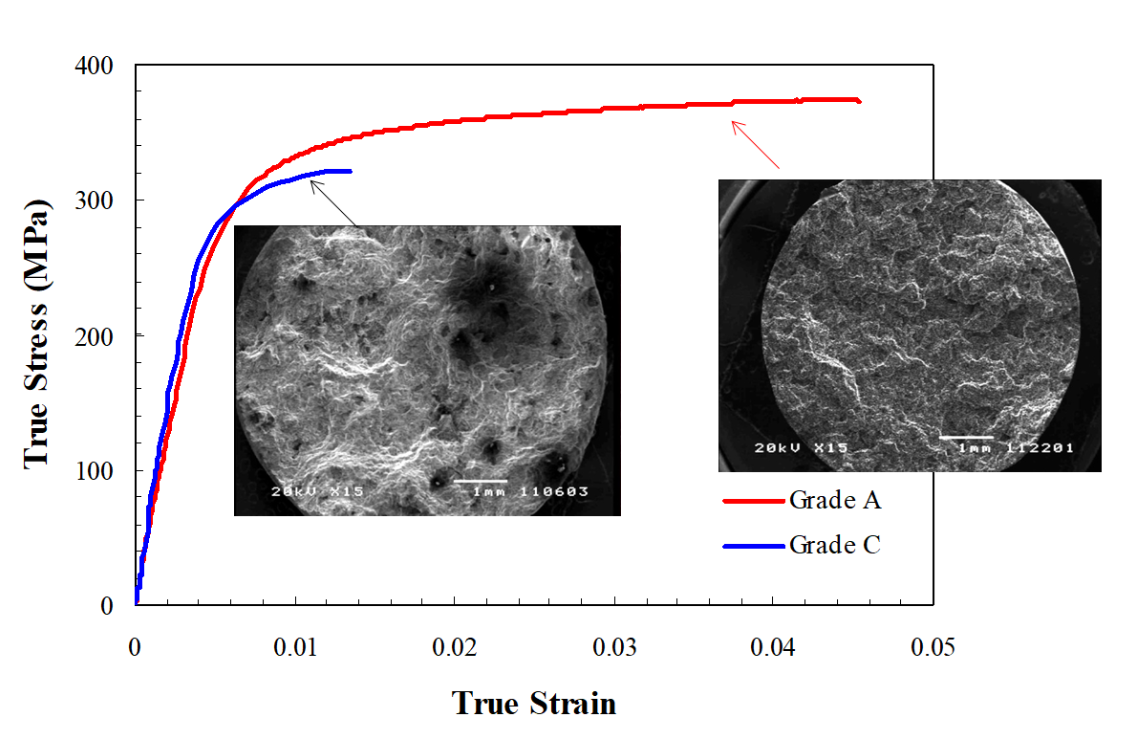
When a tensile specimen is pulled, it faces a contest between deformation and fracture.
If liquid metal damage is low, the metal absorbs more energy and stretches further before breaking. If damage is high, the specimen fractures early.
The metric behind the Quality Index is based on this principle:
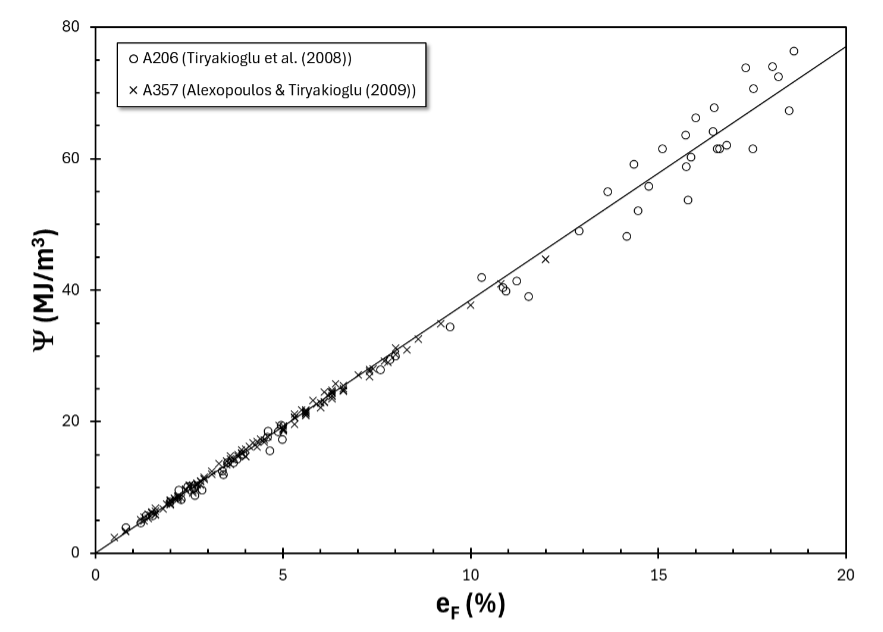
Strain Energy Density (Ψ) = the total energy absorbed during deformation.
Two specimens with the same yield strength can behave completely differently when damaged metal is involved, which is why elongation and absorbed energy are such powerful indicators.
Ductility Potential
To Measure Damage, You Must First Know What’s Possible
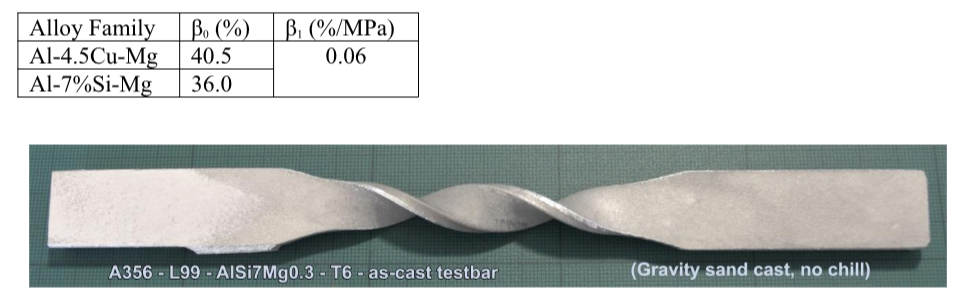
To assess damage, we compare actual elongation to the ductility potential of the alloy (i.e. what the alloy can achieve when damage is minimized or eliminated).
Using aerospace-grade data from premium castings, the ductility potential line shows astonishing truth:
-
At 200 MPa yield strength, Al-4.5%Cu alloys can reach 28.5% elongation
-
Al-7%Si alloys can reach 24% elongation
Yet, conventional castings routinely deliver only 1–5%.
This gap is the measurable effect of liquid metal damage.
The Structural Quality Index (Qᵀ)
A Simple Ratio That Reveals the Truth
The Structural Quality Index compares:
Actual elongation vs. Theoretical ductility potential
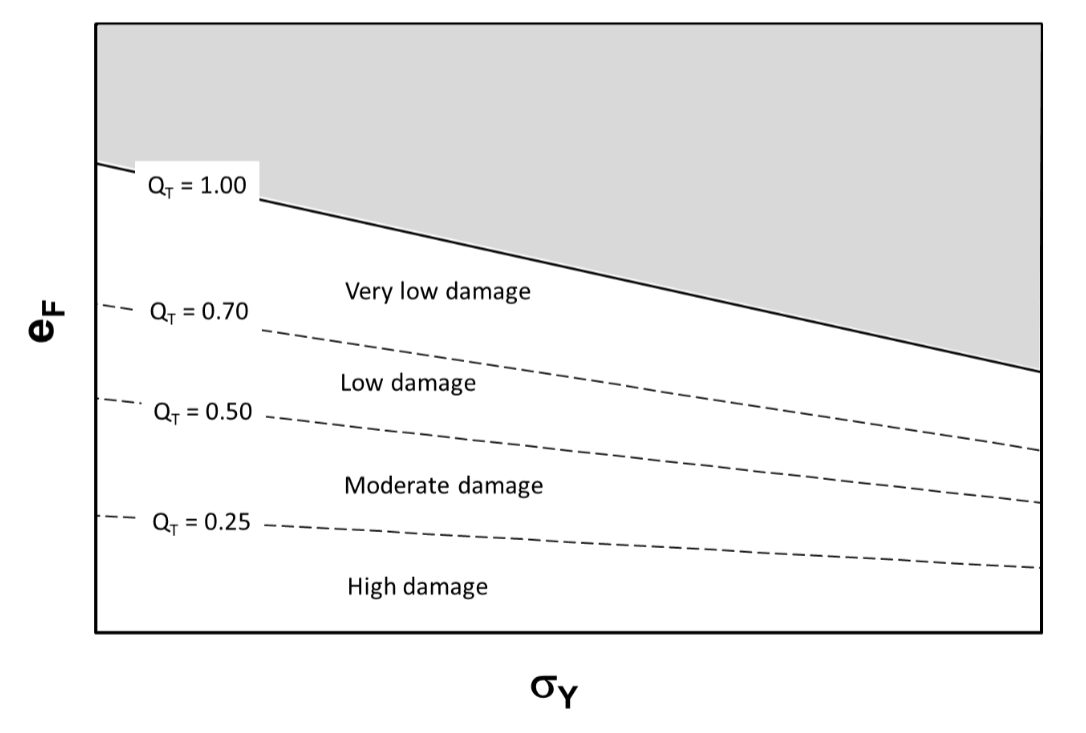
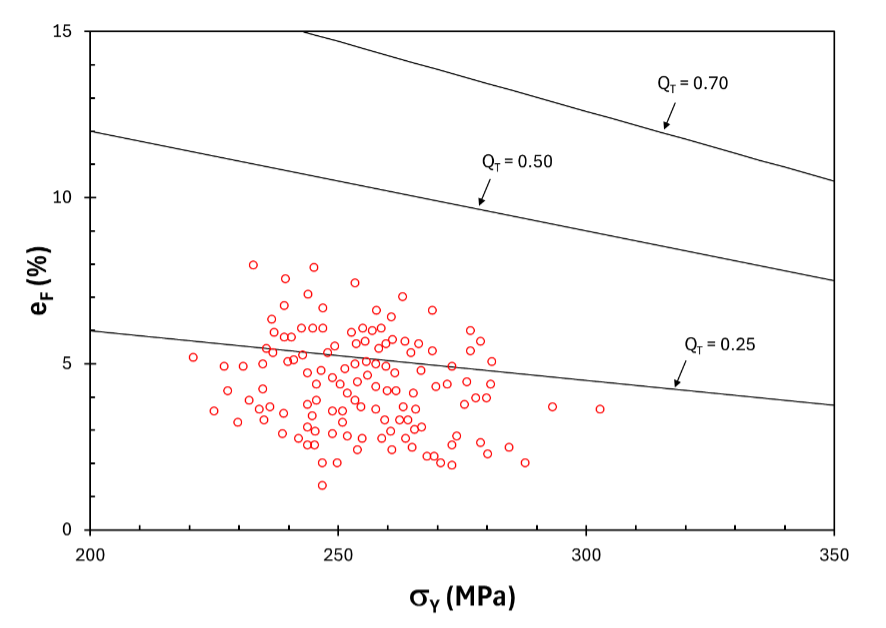
This ratio (Qᵀ) becomes a universal indicator of metal quality:
-
Qᵀ ≈ 1.0 → Almost no damage
-
Qᵀ 0.5 – 0.8 → Low damage
-
Qᵀ 0.25 – 0.5 → Moderate damage
-
Qᵀ < 0.25 → High damage
Most foundries operate around Qᵀ ≈ 0.25.
With Functional Counter-Gravity™ technology, Puhakka dramatically shifts performance into the Low and Very Low Damage regions.
The Four Levels of Damage
Where Your Metal Lives Determines Its Future
High Damage (Industry Standard)
-
Where porosity, hot tears, and inconsistency dominate
-
"Whack-a-mole" quality problems
-
Most foundries are stuck here, often without realizing it
Moderate Damage
- Metal free from major old oxides
- Gains possible with carefully controlled processes
- Filling system design begins to matter
Low Damage
- Metal necks and deforms beyond maximum strength
- Extremely strong, clean castings
- Surface sinks may appear instead of hidden porosity
Very Low Damage (Puhakka’s Domain)
-
No porosity issues
-
No hot tears
-
Nearly zero rejects
-
Fatigue performance approaching wrought products
Why Quality Index Matters
A Foundry That Ignored Liquid Metal Quality Did Not Survive
In one landmark example, a foundry tracked its quality index and discovered:
-
71.5% of its castings were in the High Damage region
-
28.5% were in the Moderate Damage region
Despite numerous attempts to improve quality, the foundry refused to address how liquid metal was delivered to molds, the single largest factor affecting damage.
Their Qᵀ remained trapped at 0.25.
Their quality issues continued.
Ultimately, the foundry closed.
The lesson is clear:
Liquid metal quality determines everything.
And Qᵀ exposes the truth.
Why Puhakka Leads the Industry
Functional Counter-Gravity™ Technology Eliminates the Root Cause of Damage
Unlike conventional foundries, Puhakka’s casting approach does not rely on turbulence-prone gravity filling. Our patented Functional Counter-Gravity™ process prevents bifilm formation at the source - producing metal with inherently higher elongation, higher toughness, and dramatically higher Qᵀ values.
The result is simple:
We don’t chase defects. We prevent them.